
From Materialism to Idealism
Surprised by JoyThis thread traces Lewis's effort to reconcile a bleak materialist worldview with values he could not stop treating as real.
increasing Bearing strength in each event
 decreasing
Bearing strength in each eventdecreasingA Universe Against Design
A Universe Against Design
Pessimism Takes Shape
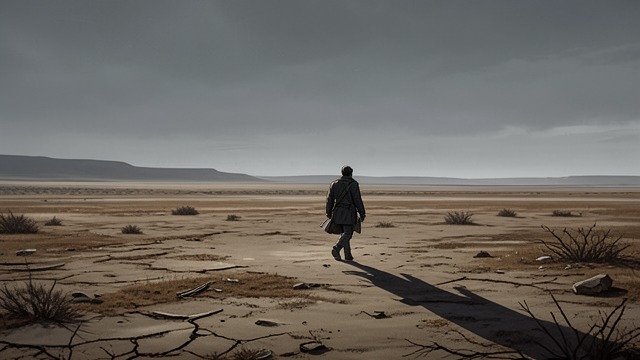
Lewis saw the universe as cold, wasteful, and indifferent. Early practical frustrations, his father's warnings about adult life, and his reading about the scale of space fed this judgment.
The Undesign Argument
He found force in the claim that a world so faulty could not plausibly have been designed by a benevolent God. This argument strengthened his move away from Christianity.
Relief in Materialism
Relief in Materialism
A Godless Refuge
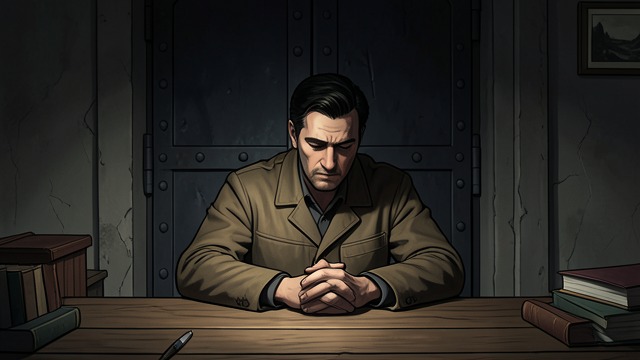
Materialism appealed to Lewis because it promised a finite universe with no divine authority and no endless consequences. It seemed to protect his independence and limit the possible cost of existence.
A Price Paid
To hold this position, he accepted that beauty and value were subjective effects in a meaningless world. He tried to pay that intellectual price rather than admit a religious conclusion.
The Problem of Value
The Problem of Value
Two Worlds Within One Mind
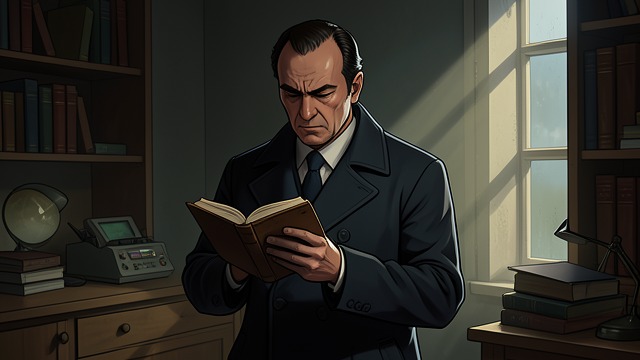
Lewis loved poetry, myth, and beauty while believing them imaginary; he regarded science and matter as real while finding them grim. The split made his inner and intellectual lives difficult to reconcile.
The Evidence of Experience
Writers who rejected religion often seemed thin to him, while religious writers appeared to understand life more fully. His reading increasingly strained the theory he wanted to maintain.
The Turn Toward Mind

The Turn Toward Mind
Realism Under Pressure
Barfield's critique showed Lewis that sensory realism could not easily justify the authority of reasoning, morality, or aesthetic judgment. Lewis found the behaviorist alternative impossible to believe.
An Idealist Opening
He moved toward the thought that mind was not a late byproduct of matter and that reality might be fundamentally mental. This approach brought him closer to theism without yet requiring personal submission.
A Personal Absolute
A Personal Absolute
Theism at a Distance
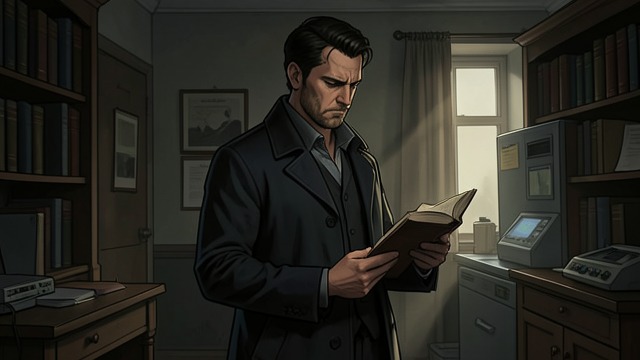
Lewis's Absolute remained a safe, impersonal source of reality that seemed unable to address or command him. He could speak of a spiritual ground while preserving distance from religious obedience.
The Safety Ends
Later argument and experience made the personal implications harder to evade. The Absolute's role in explaining reason and reality gradually gave way to a living presence that demanded a response.
Lewis's adolescence at Chartres
During Lewis's early years with Kirkpatrick
Late in the Bookham period
During Lewis's Great War with Barfield
During Lewis's philosophical teaching at Oxford
